Alcohol-induced respiratory symptoms are common in patients with aspirin exacerbated respiratory disease. Aldehyde is toxic, and buildup is one of the key reasons people develop symptoms of a hangover. ALDH turns aldehyde into acetic acid, a nontoxic substance that doesn’t cause any harm. Therefore, sulfates are an important aspect of winemaking to ensure https://en.forexdata.info/top-10-best-sober-houses-in-boston-ma-january-2024/ that the finished product is enjoyable to drink. Wine makers must carefully balance the use of sulfates with the acidity levels to create a pleasant flavor profile without compromising its shelf life. With the right balance, a winemaker can create a delicious and complex flavor profile that will surprise and delight even the most discriminating taster.
Filtration of wine is an important process in the production of a good quality beverage. It helps to remove harmful bacteria, unwanted tannins and other impurities from the liquid before it can be consumed. Egg whites and gelatin are two of the most commonly used filtration agents due to their ability to absorb proteins and reduce astringency.
Can You Mix Zoloft and Alcohol? The Risks of Drinking with SSRI Antidepressants
People with less active ALDH2 enzymes have difficulty breaking down alcohol, leading to uncomfortable reactions. Having a mild intolerance to alcohol or something else in alcoholic beverages might not require a trip to a doctor. Simply avoid alcohol, limit how much you drink or avoid certain types of alcoholic beverages.
- The Premiere S has a one-year warranty, with a five-year warranty on the compressor—one of the most generous policies we found in our research.
- If you’re still having problems, it could be time to consult your doctor.
- Not everyone wants a dual-zone fridge, but this model will keep your reds and whites ready to drink at the right temperature.
When these compounds come into contact with the nasal passages, they can create an irritation sensation which leads to a reflexive sneeze response. As histamine levels increase in your respiratory system you may develop shortness of breath, chest pain, chest tightness, trouble breathing and wheezing. Wheezing is a high-pitched sound The Missing Piece: The Spiritual Malady made by your windpipe that results from restricted air flow. Your nasal passages can swell, cutting off your ability to breathe through your nose. This can lead to sinus pressure, headaches, facial tenderness and sinus congestion. Unfortunately, nothing can prevent reactions to alcohol or ingredients in alcoholic beverages.
Benefits of drinking wine
Histamines play an important part in the immune system, proper digestion, and central nervous system and communicating important messages from the body to the brain. They are also a component of stomach acid, which breaks down food in the stomach. Sulfites, tyramines, and histamines are substances that are naturally found in many forms of alcohol.

Movement can stir up sediment in old bottles of wine and make it taste off, and kinetic energy can also warm wine (which, again, is harmful). And intense vibrations from transit are more worrisome than movement from a fridge. “You’re concerned about vibration when wine is sitting in a truck somewhere, with a refrigeration unit that’s bouncing back and forth for hours,” New York Times wine critic Asimov told us. He emphasized how important it is to buy wine from a good shop you can trust.
Alcohol Withdrawal Symptoms: What Does Detoxing Feel Like? A Timeline
This is likely because wine contains histamines, which trigger allergies. If you’re allergic to wine, you may notice that you sneeze more after drinking it. There is no one definitive answer to this question as everyone’s physiology is different. Some people may find that white wine does indeed make them sneeze, while others may not notice any effect at all. It is possible that the compounds in white wine that cause sneezing are more concentrated than in red wine, or that the body is more sensitive to them.
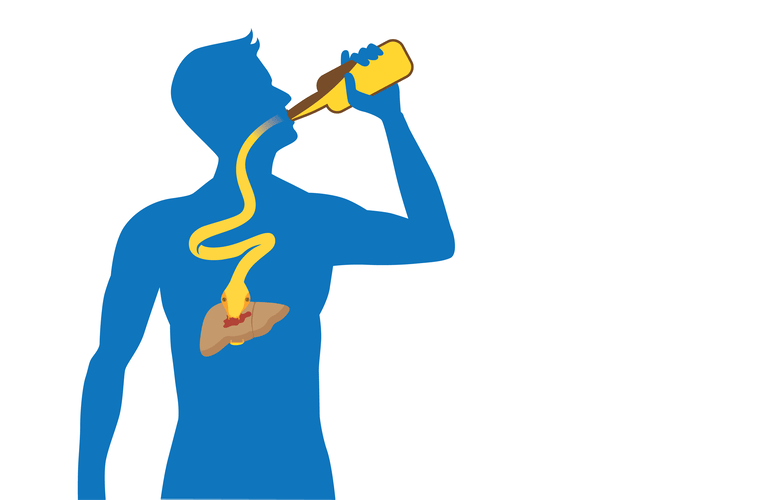
Wine allergies cause respiratory symptoms such as difficulty breathing in some people, which can be caused by sulfite reactions. In some cases, skin reactions, such as hives or rashes, are also present. Individuals may also experience a variety of symptoms, such as chest congestion, skin irritation, and digestive upset. If you experience any of these symptoms after drinking wine, it is critical that you consult a doctor.
Reactions of redness or swelling will often occur quickly if you’re allergic to the allergen. Further study found that the reaction was due to insect venom allergens present in the wine. Intolerance is a condition where your body can’t break down alcohol effectively, which may be genetic or develop over time. To make a diagnosis of allergy, a healthcare provider will first take a medical history and do a physical exam. Although an intolerance may cause similar symptoms to allergies, intolerance is not the same as an allergy.
This will help to soothe the mucous membranes in your nose and prevent them from swelling and triggering a sneeze. If you find that straight spirits make you sneeze, try diluting them with water or soda before you drink them. This will reduce the alcohol in the drink and make it less likely to trigger a sneeze. When you drink alcohol, it’s absorbed into your bloodstream and quickly travels to your brain.